
Your dental insurance maximum resets January 1 and unused benefits don't roll over. Here's how to maximize your coverage before year-end.
Open your dental insurance statement. Look at your annual maximum. Now look at how much you’ve used.
If there’s a gap, you’re looking at money that disappears January 1.
The Math: National dental expenditures reached $174 billion in 2023[1]. Yet millions of Americans leave dental benefits on the table every year, coverage they paid for through premiums but never used.
↑ TopHow Dental Insurance Works (The Annual Reset)
Unlike health insurance that focuses on deductibles and out-of-pocket maximums, dental insurance works on an annual maximum benefit system:
What You Get Each Year
Here’s what sneaks up on people: dental insurance isn’t comprehensive coverage. It’s a fixed annual benefit that vanishes December 31 whether you use it or not:
| Benefit Component | Typical Amount |
|---|---|
| Annual maximum | $1,000-$2,000 |
| Deductible | $50-$100 |
| Preventive coverage | 100% (cleanings, exams, x-rays) |
| Basic coverage | 80% (fillings, extractions) |
| Major coverage | 50% (crowns, bridges, root canals) |
What resets January 1: Your annual maximum returns to zero, your deductible restarts, and frequency limits (cleanings, x-rays) reset. If your plan covers $1,500 annually and you’ve used $400, that remaining $1,100 simply expires. It doesn’t roll over.
Table of Contents
- Why Dental Benefits Go Unused
- What to Do Before December 31
- December Dental Scheduling: Act Fast
- Common Dental Insurance Mistakes
- The Cost of Delaying Dental Care
- Next Steps
↑ TopWhy Dental Benefits Go Unused
Several factors lead to unused benefits:
- Life gets busy. Dental appointments feel optional when nothing hurts, It’s easy to postpone the second cleaning when work is hectic.
- Fear and avoidance. Dental anxiety is real. Many people put off recommended work because they dread the experience.
- Cost concerns. Even with insurance, major dental work has out-of-pocket costs. People delay needed treatment to avoid the expense.
- Lack of awareness. Many people don’t track their dental benefits or realize how the annual system works.
- The year flew by. December arrives, and suddenly there’s no time to schedule appointments.
↑ TopWhat to Do Before December 31
Check your benefits status. Log into your dental insurance portal or call customer service. Ask: What’s my annual maximum? How much have I used? What’s my remaining deductible? How many cleanings have I had? Any waiting periods ending this year?
Review recommended treatment. Has your dentist suggested fillings, crown replacements, periodontal treatment, a night guard, or wisdom teeth extraction? Now is the time—get it done while insurance still covers it.
Schedule remaining preventive care. Most plans cover two cleanings per year at 100%. If you’ve only had one, schedule the second before year-end. These are typically fully covered, help catch problems early, and don’t count against your annual maximum.
Consider treatment timing. If you need major work exceeding your annual maximum, split treatment across calendar years. Example: You need a crown ($1,200) and two fillings ($400). Do the crown in December, fillings in January—both fully covered within respective annual maximums. Your dentist’s office deals with this every year and can help optimize coverage.
↑ TopDecember Dental Scheduling: Act Fast
Here’s the reality: everyone tries to use dental benefits in December. Offices are slammed.
Tips for Securing Appointments
- Call immediately. Don’t wait until mid-December to schedule.
- Be flexible. Take whatever opening is available because beggars can’t be choosers in December.
- Ask about cancellation lists. Offices maintain lists of patients willing to take last-minute openings.
- Consider early morning or late afternoon. Less popular times may have better availability.
- Try multiple offices. If you have a PPO plan, any in-network dentist can see you.
If You Can’t Get an Appointment
If no appointments are available before year-end:
- Ask if the office has emergency or sick slots you could take
- Consider out-of-network dentists (you may still get partial coverage)
- Get on the cancellation list and check in regularly
- Schedule for early January to at least start the new year with remaining work addressed
↑ TopCommon Dental Insurance Mistakes
These are the mistakes that cost people the most:
- Assuming everything is covered. Dental insurance is maintenance coverage, not comprehensive. A single crown can consume half your annual benefit.
- Going out-of-network without checking. PPO plans allow out-of-network visits, but you’ll pay significantly more—sometimes double.
- Missing waiting periods. Many plans won’t cover major work (crowns, bridges) for the first 6-12 months. Check before you assume you’re covered.
- Exceeding frequency limits. Most plans cover cleanings every 6 months. Go more often and you pay out-of-pocket, even with remaining benefits.
- Forgetting FSA/HSA. These funds cover dental deductibles, copays, and uncovered services—and FSA funds may expire at year-end. See our FSA deadline guide.
↑ TopThe Cost of Delaying Dental Care
Skipping or delaying dental care rarely saves money in the long run:
- Small problems become big problems. A cavity caught early might cost $150. Left untreated, it could require a root canal ($1,000+) and crown ($1,200+).
- Gum disease progresses. Early gingivitis responds to improved hygiene. Advanced periodontal disease requires expensive treatments and can lead to tooth loss.
- Infections spread. Dental infections can become serious medical emergencies with corresponding medical bills.
- Prevention is cheaper than treatment. Two cleanings per year cost far less than restorative work.
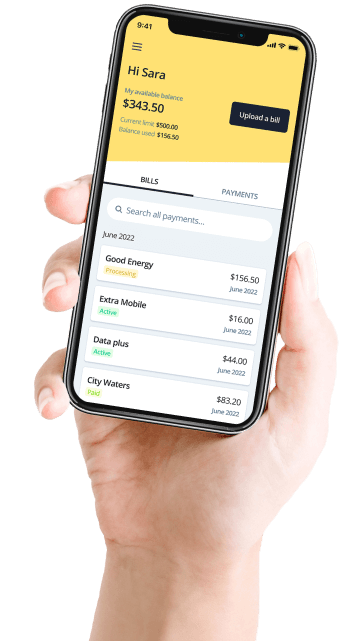
If rushing to use benefits means several dental bills hit at once, you can split them into 4 payments over 8 weeks with Deferit. See if you qualify.
↑ TopPaying for Dental Work
Even with insurance, dental work often has out-of-pocket costs. Your options:
- Dental office payment plans – Many offices offer interest-free financing or monthly payment options for larger treatments.
- Dental discount plans – If uninsured, these offer reduced rates at participating dentists (not insurance, but significant savings).
- Dental schools – Teaching clinics offer significantly reduced rates. Quality is good (instructors verify everything), but appointments take longer.
- Community health centers – FQHCs often provide dental services on a sliding fee scale based on income.
↑ TopNext Steps
Your dental benefits expire December 31. Call your dental office today. If they’re booked, get on the cancellation list. Use your FSA funds on any remaining dental expenses you can’t schedule in time.