

December 31 is coming fast. Learn what FSA expenses qualify, whether you have a grace period, and last-minute strategies to use every dollar before it disappears.
Check your FSA balance right now. If there’s money sitting there, you’re watching the clock tick toward midnight on a pile of cash that could disappear.
About half of FSA account holders forfeit money every year, losing an average of $441 per person[1]. That’s not a typo. Americans collectively forfeit hundreds of millions in FSA dollars annually because they don’t spend it in time.
Quick Check: Most FSA deadlines are December 31. Some employers offer a grace period (until March 15) or carryover (up to $660). Check your plan documents NOW to know your actual deadline.
↑ TopUnderstanding FSA Deadlines: It’s Not One-Size-Fits-All
The standard FSA rule is “use it or lose it”—funds not spent by December 31 vanish. But your employer may offer one of two safety valves:
Grace period: Some employers extend the deadline to March 15, giving you an extra 2.5 months to spend last year’s funds. Any remaining balance after March 15 is forfeited.
Carryover provision: Other employers allow you to roll over up to $660 into the next plan year. This money doesn’t expire.
The catch: Employers can offer a grace period OR a carryover, but not both. Contact your HR department or check your benefits portal TODAY to confirm which applies to your plan.
Table of Contents
- The 2025 FSA Numbers You Need to Know
- What Can You Spend FSA Funds On?
- Last-Minute FSA Spending Strategies
- Common FSA Mistakes to Avoid
- FSA vs. HSA: Know the Difference
- Managing Year-End Medical Expenses
↑ TopThe 2025 FSA Numbers You Need to Know
Here’s what makes this painful—that $441 average forfeiture isn’t from people who didn’t try. It’s from people who waited one week too long:
| FSA Detail | 2025 Amount |
|---|---|
| Maximum contribution | $3,300[2] |
| Maximum carryover (if employer allows) | $660 |
| Grace period extension (if employer allows) | Until March 15 |
| Average amount forfeited | $441[1] |
↑ TopWhat Can You Spend FSA Funds On?
The list of FSA-eligible expenses is broader than most people realize. Since 2020, over-the-counter medications no longer require a prescription[2].
Medical care: Doctor copays, specialist visits, lab work, physical therapy, chiropractic care, mental health services.
Medications: All prescriptions plus OTC pain relievers, allergy meds, cold/flu medicine, digestive aids, sleep aids, menstrual products.
Dental: Cleanings, fillings, crowns, orthodontics, x-rays. (See our dental benefits reset guide.)
Vision: Eye exams, prescription glasses, contacts and solution, LASIK. (See our eye exam guide.)
Medical equipment: Blood pressure monitors, glucose monitors, thermometers, first aid supplies, braces and supports.
Everyday items: Sunscreen (SPF 15+), reading glasses, acne treatments, hand sanitizer.
↑ TopLast-Minute FSA Spending Strategies
Schedule medical care now. December appointments fill up fast. Book immediately for your annual physical, dental cleaning, eye exam, specialist consultation, or physical therapy sessions.
Stock up on eligible items. Don’t need care? Buy FSA-eligible items you’ll use anyway: contact lens solution (12+ month supply), sunscreen, first aid supplies, OTC medications, menstrual products, reading glasses. Major retailers like Amazon FSA/HSA store, FSA Store, Target, Walmart, CVS, and Walgreens accept FSA cards and flag eligible items online.
Fill prescriptions early. Ask your pharmacist about a 90-day supply before year-end. You’ll use FSA funds that might expire and start January stocked up.
Get that equipment you’ve needed. CPAP supplies, blood pressure monitors, heating pads, orthopedic supports, compression socks—now is the time.
Don’t forget Dependent Care FSA. If you have one for childcare expenses (daycare, after-school programs, summer camps, elder care), check that balance separately—it often has different rules and deadlines than your healthcare FSA.
↑ TopCommon FSA Mistakes to Avoid
- Assuming everything is eligible. Cosmetic procedures, gym memberships, vitamins (unless prescribed), and teeth whitening are NOT FSA-eligible. When in doubt, check IRS guidelines.
- Waiting until the last week. December 31 falls on a Wednesday in 2025. Services must be provided before year-end, not just scheduled. Don’t wait until December 30 to try booking a dental appointment.
- Forgetting receipts. Keep all receipts. Your plan administrator may request documentation, and you’ll need records if the IRS ever asks.
- Not checking the grace period date. If your employer offers a grace period, it’s typically March 15—but could be earlier. Expenses must be incurred by the deadline, not just submitted.
↑ TopFSA vs. HSA: Know the Difference
If you’re confused about FSA vs. HSA rules, here’s the key distinction:
| Feature | FSA | HSA |
|---|---|---|
| Funds expire? | Yes (with limited exceptions) | Never |
| Rolls over? | Limited ($660 max) or grace period | Yes, fully |
| Portability | Stays with employer | Yours forever |
| 2025 contribution limit | $3,300 | $4,300 (self) / $8,550 (family)[2] |
| Requires HDHP? | No | Yes |
If you have an HSA, there’s no year-end deadline pressure because your funds roll over indefinitely. But if you have an FSA, the clock is ticking.
↑ TopWhat If You Can’t Spend It All?
Sometimes you overestimate medical expenses when enrolling in your FSA. If you genuinely can’t use the funds on eligible expenses:
- Check for grace period or carryover because you might have more time than you think
- Consider timing of care and whether you can schedule January appointments before March 15 if you have a grace period
- Stock up strategically by buying items you’ll definitely use
- Learn for next year and adjust your contribution to better match actual spending
The goal isn’t to waste money on things you don’t need. It’s to avoid losing money on things you do need but haven’t purchased yet.
↑ TopManaging Year-End Medical Expenses
December can pile up fast: FSA spending, dental work, vision care, and regular medical expenses all converging at once. If you’re stretching to maximize benefits before they expire, remember that you don’t have to pay for everything upfront.
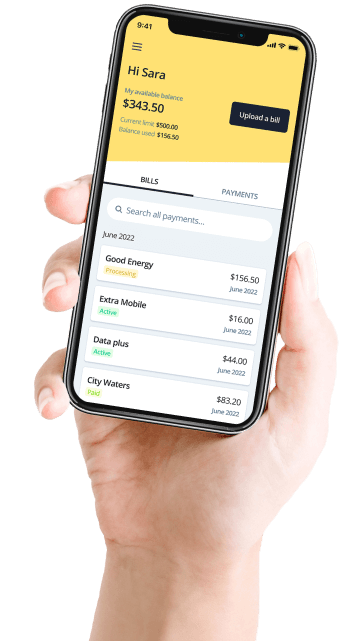
If the bills pile up while you’re rushing to use benefits, you can split medical costs into 4 payments over 8 weeks with Deferit. We pay your provider directly while you catch your breath. See if you qualify.
Check your FSA balance now—not next week. For a complete overview of year-end healthcare planning, see our end of year medical bills guide.