
When urgent care closes for holidays, the ER is your only option. Know what to expect for wait times, costs, and how to manage surprise bills.
It’s Christmas morning. The turkey is in the oven. And your uncle just sliced his hand open trying to open a package.
Urgent care? Closed. Your doctor? Out until next week. The ER just became your only option, and you’re far from alone.
The Reality: The U.S. sees over 155 million emergency department visits annually, a rate of 47.3 visits per 100 people[1]. During holidays, those numbers spike as other healthcare options close.
↑ TopWhy ER Visits Surge During Holidays
The emergency room becomes the default option when everything else shuts down—urgent care closed, doctor’s office dark, even pharmacies on limited hours.
But it’s not just access. Holidays bring their own risks: kitchen burns and knife cuts, ladder falls while decorating, toy assembly injuries, slips on ice, car accidents during travel. Large family gatherings spread illness. Food poisoning spikes from improper cooking and storage. Allergic reactions happen when people try unfamiliar dishes.
↑ TopER vs. Urgent Care: Know the Difference
Go to the ER for: Chest pain, difficulty breathing, signs of stroke (face drooping, arm weakness, speech difficulty), severe bleeding, serious head injuries, loss of consciousness, severe burns, visible bone deformity, anaphylaxis, poisoning/overdose, high fever with stiff neck, pregnancy complications.
Urgent care can handle: Minor cuts needing stitches, sprains, minor burns, cold/flu symptoms, ear infections, UTIs, rashes, minor allergic reactions.
Telehealth works for: Symptom assessment, medication refills, minor skin issues, mental health check-ins, follow-up appointments. Many operate 24/7—and cost far less than an ER visit.
Table of Contents
- What to Expect at the Holiday ER
- The Cost of Holiday ER Visits
- Managing Surprise ER Bills
- Alternatives to the ER
- Paying for Your Holiday ER Bill
↑ TopWhat to Expect at the Holiday ER
Holiday ERs face higher patient volume, reduced staffing, more non-emergency visits, and sicker patients requiring more resources. Wait times range from 1-2 hours for less urgent cases to many hours during peak times. ERs use triage—the sickest patients are seen first, regardless of arrival time. A sprained ankle on a busy holiday means a very long wait.
When you arrive, a triage nurse assesses vital signs, your chief complaint, pain level (1-10), and medical history. You’re assigned a priority level based on severity, not arrival time.
What to bring: Insurance card, photo ID, list of current medications (or the bottles), allergies, relevant medical history, phone charger, comfort items for children, and a support person if possible.
↑ TopThe Cost of Holiday ER Visits
Emergency care is expensive, and holiday visits are no exception. Here’s why the bill often triggers a second wave of panic after the medical crisis is over:
| Cost Element | Typical Range |
|---|---|
| Facility fee (just walking in) | $500-$1,500 |
| Physician fee | $200-$500 |
| Lab work | $100-$500+ |
| Imaging (X-ray) | $200-$400 |
| Imaging (CT scan) | $500-$3,000 |
| Medications | Varies widely |
| Procedures | Varies widely |
A relatively simple ER visit can easily cost $1,000-$3,000. Complex cases requiring imaging, labs, and procedures can run much higher.
With insurance, you’ll likely pay your deductible (if you haven’t met it), coinsurance (often 20-30%), and possibly a flat ER copay ($100-$500). If it’s January and your deductible just reset, expect higher out-of-pocket costs until you meet the new threshold.
Without insurance, you face the full bill—but most hospitals offer financial assistance, charity care, payment plans, and discounted self-pay rates (often 30-50% lower). Always ask the billing department about options before assuming you must pay the full amount.
↑ TopManaging Surprise ER Bills
The No Surprises Act[2] protects you from balance billing when you receive emergency services—even at out-of-network facilities. You’re also protected when you get care from out-of-network providers at in-network facilities without your consent.
You may still owe: Your regular cost-sharing (deductible, coinsurance, copays), services you specifically chose from out-of-network providers, and ground ambulance services (often not covered).
If you receive a surprise bill: Review your Explanation of Benefits, compare it to the bill (there shouldn’t be balance billing for emergency services), contact the provider’s billing department to dispute, and file a complaint with your state insurance commissioner if necessary.
↑ TopHoliday ER Survival Tips
Prepare for the wait: Pack your patience (waits will be long), bring entertainment and phone chargers, bring snacks and water, dress in layers. For children: comfort items, snacks, entertainment—and stay calm, because they pick up on your stress.
Advocate for yourself: Clearly describe symptoms, ask questions if you don’t understand, request updates if you’ve been waiting a long time, speak up immediately if your condition changes.
Document everything: Take photos of injuries before treatment, write down what happened and when, keep copies of all paperwork, note the names of providers you see.
↑ TopAlternatives to the ER
Before heading to the emergency room, try these first:
- Telehealth services – Many insurance plans include 24/7 video visits. You can often see a provider within minutes who can assess symptoms, prescribe medications (sent to a 24-hour pharmacy), and help you decide if the ER is necessary.
- Nurse hotlines – Call the number on your insurance card for 24/7 nurse advice.
- 24-hour pharmacies – For minor issues, pharmacists can provide guidance and OTC recommendations.
- Freestanding ERs – Shorter waits than hospital ERs, but similar costs. Only worth it if wait time is your primary concern.
↑ TopPrevention: Avoiding the Holiday ER
The best ER visit is the one that doesn’t happen. Reduce your risk:
Kitchen: Use cut-resistant gloves with knives, keep pot handles turned inward, never leave cooking unattended.
Decorating: Use sturdy ladders with someone spotting you, check lights for damage, keep candles away from flammable materials.
Travel: Check weather before driving, allow extra time, don’t drive fatigued.
Health: Wash hands frequently at gatherings, be aware of food allergies in dishes, keep medications in original bottles when traveling.
↑ TopPaying for Your Holiday ER Bill
An unexpected ER visit can throw off any budget, especially during the already-expensive holiday season.
Most hospitals offer interest-free payment plans, financial assistance, and charity care programs. Always contact the billing department to discuss options before the bill goes to collections.
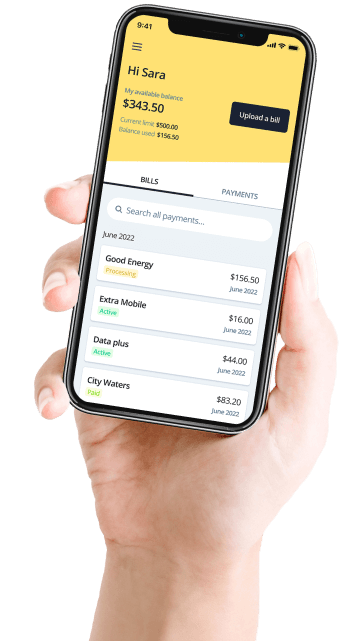
If the bill arrives when your budget is already stretched, you can split it into 4 payments over 8 weeks with Deferit. We pay your provider directly, you pay us back over time. See if you qualify.