
Discover the 5 warning signs that predict higher heating costs and learn practical solutions to reduce your bill by up to 30% this winter.
That heating bill you’re dreading? There’s a good chance it’s going to be worse than last year. Electric heat is up 4%, natural gas varies by region, and if your system has any of the five warning signs below, you could be paying 20-44% more than you should.
The Reality: Winter 2025-2026 averages: $642 for natural gas, $1,133 for electric heat, $1,390 for heating oil, $1,210 for propane[1]. Northeast households pay the most at $868 for gas. If you’re above these numbers for a similar-sized home, keep reading.
Already facing a bill you can’t cover? Jump to payment options.
↑ Top1. Your Furnace Is 15 Years Old or Older
If your furnace was installed before 2010, you’re burning 30-44% more energy than necessary. Older furnaces operate at 56-70% AFUE[2]—that’s 30-44% of your money literally going up the chimney.
Quick check: Look for the manufacturer’s label on your furnace with the installation date.
Modern high-efficiency furnaces operate at 90-98.5% AFUE[2]. Upgrading from a 60% to 95% AFUE model could save $200-300 per year. Federal tax credits cover up to $600 for qualifying equipment[4], plus many utilities offer $200-1,000 in rebates.
Here’s what most people don’t budget for—the inspection alone often pays for itself by catching problems early:
| Action | Cost | Potential Savings |
|---|---|---|
| Professional HVAC inspection | $80-$200 | Identify efficiency problems |
| Install smart thermostat | $100-$250 | 8-10% energy savings[3] |
| Replace with 95%+ AFUE furnace | $3,000-$7,000 | 10-20% annual reduction |
Table of Contents
- 2. Your Air Filter Is Dark, Dirty, or You Can’t Remember Changing It
- 3. You Can Feel Air Leaking Through Your Ductwork or Vents
- 4. You Feel Drafts Near Windows, Doors, or Outlets
- 5. Your Heating System Runs Constantly or Your Thermostat Is in a Bad Location
- What to Do When Your Heating Bill Explodes
- Next Steps
Can’t Afford Replacement Right Now?
If your furnace needs replacement but you’re facing a $5,000-7,000 expense:
- Apply for LIHEAP funds[5], which provide grants to eligible households
- Look into utility company financing programs that let you pay through your monthly bill
- See our payment options section below for more ways to manage costs
↑ Top2. Your Air Filter Is Dark, Dirty, or You Can’t Remember Changing It
A dirty air filter is the number one cause of HVAC system failure and significantly increases your energy consumption[6]. When the filter gets clogged, your furnace must work harder to push air through your home, running longer cycles and potentially overheating the heat exchanger—leading to thousands in repairs or complete system failure.
Quick check: Turn off your system, remove the filter, and hold it to a light. Can’t see light through it? Replace immediately.
This is the highest-return fix on this list—$60 per year in filters can save $30-160 annually:
| Action | Cost | Potential Savings |
|---|---|---|
| Replace standard filter monthly | $5-$15 per filter | Significant energy reduction[6] |
| Upgrade to MERV 8-11 filters | $10-$30 per filter | Better filtration + efficiency |
| Install reusable electrostatic filter | $80-$200 one-time | Eliminates ongoing costs |
Prevention tip: Set a recurring calendar reminder for every 60 days, or use a smart thermostat that tracks runtime hours and reminds you automatically.
↑ Top3. You Can Feel Air Leaking Through Your Ductwork or Vents
Leaky ductwork wastes 20-30% of heated air before it reaches your living spaces[7]. For a household paying $642 annually for natural gas, duct leakage alone could be costing $130-190 per year—you’re literally paying to heat your attic, basement, and wall cavities.
Quick check: During a heating cycle, feel around visible ductwork seams. Check where ducts pass through unconditioned spaces. Look for dust streaks around connections indicating air leakage.
Here’s what most people don’t realize—DIY sealing pays for itself in months:
| Action | Cost | Potential Savings |
|---|---|---|
| DIY sealing with mastic (not duct tape) | $50-$200 | 20-30% efficiency gain[7] |
| Professional duct testing + sealing | $1,300-$3,000 | Comprehensive 20-30% improvement |
| Aeroseal technology | $2,000-$4,000 | Seals from inside, reaches hidden areas |
DIY approach: Purchase mastic sealant (not duct tape, which deteriorates), apply to all accessible seams with a disposable brush, wrap larger gaps with fiberglass mesh tape first. The Inflation Reduction Act offers a 30% tax credit on professional duct sealing[4].
↑ Top4. You Feel Drafts Near Windows, Doors, or Outlets
Windows alone account for 25-30% of heat loss[8]. If you can feel cold air near windows or exterior doors, see daylight peeking through door frames, or notice curtains moving on a calm day, your bill is about to reflect it. For households paying $1,133 for electric heat, proper air sealing could save $170-340 annually[6].
Quick check: Light an incense stick near window frames, door edges, and baseboards on a windy day. Watch for smoke movement indicating air infiltration.
A $50 weekend project can pay for itself in months:
| Action | Cost | Potential Savings |
|---|---|---|
| Weatherstripping doors | $15-$30 per door | Immediate draft reduction |
| Caulking gaps and cracks | $10-$40 (supplies) | Prevents air infiltration |
| Window insulation film | $3-$7 per window | 25-50% heat retention improvement |
| Professional air sealing | $1,000-$3,000 | 15-20% annual savings[9] |
| Attic insulation upgrade | $1,000-$2,500 | 15% heating/cooling reduction |
Immediate DIY fixes: Apply adhesive-backed foam weatherstripping to door frames, install door sweeps, caulk gaps around window frames, and apply window insulation film to single-pane windows. A $50 investment often saves $100-200 annually.
↑ Top5. Your Heating System Runs Constantly or Your Thermostat Is in a Bad Location
If your furnace rarely shuts off during mild weather or your thermostat is near a drafty window, sunny spot, or heat source, you’re likely overpaying by 4-10%. A thermostat in the wrong spot makes faulty decisions about when to heat your home—causing your system to overheat occupied spaces while running up your bill.
Quick check: Normal heating cycle is 10-15 minutes per hour in moderate weather. Is your thermostat near a drafty window, exterior door, or above a heat source? Compare the reading to how your main living areas actually feel.
Immediate free fixes: Set thermostat to 68°F when home (60-62°F when sleeping or away 4+ hours). Lowering by 7-10°F for 8 hours daily saves up to 10%[3].
Here’s where a small upgrade pays dividends year after year:
| Action | Cost | Potential Savings |
|---|---|---|
| Relocate poorly-placed thermostat | $150-$300 (professional) | Accurate temperature control |
| Install programmable thermostat | $25-$100 | 8-10% annually[3] |
| Upgrade to smart thermostat | $100-$250 | 8-15% annually with rebates |
Smart thermostat tip: Many utilities offer $50-100 rebates, bringing the net cost below $150 for $48-105 in annual savings.
↑ TopWhat to Do When Your Heating Bill Explodes Despite Everything
Even with preventive maintenance, heating bills can spike unexpectedly due to extreme weather, rate increases, or sudden equipment failures. When you’re facing a bill that’s 50-100% higher than expected, you have options.
LIHEAP (Low Income Home Energy Assistance Program) provides billions in annual funding for heating bills, crisis assistance, and weatherization[5]. Income eligibility is set by states (capped at 150% of federal poverty guidelines). Contact your state LIHEAP office to apply—funds are first-come, first-served.
Utility company assistance is often available too. Many utilities offer payment plans, budget billing, or crisis assistance. Contact your utility’s customer service to ask what’s available.
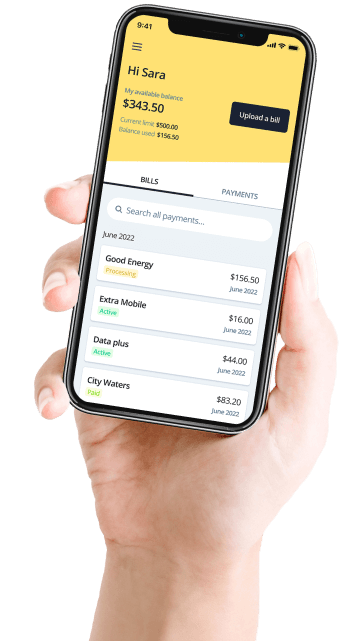
If you don’t qualify for assistance but need breathing room, you can split your heating bill into 4 payments with Deferit. We pay your utility company on time while you pay us back over 8 weeks. See if you qualify.
↑ TopNext Steps
The five warning signs above tell you what’s driving your costs up. Start with the $5 fix: replace your air filter. Then seal visible air leaks this weekend ($50-150). Adjust your thermostat today (free). If your bill has already spiked, see the payment options above.
↑ TopReferences
- U.S. Energy Information Administration. “Winter Fuels Outlook 2025-2026.” Short-Term Energy Outlook. October 2025.
- U.S. Department of Energy. “Furnaces and Boilers.” Energy Saver Guide.
- U.S. Department of Energy. “Programmable Thermostats.” Energy Saver Guide.
- U.S. Department of Energy. “Home Upgrades.” Energy Savings Hub.
- U.S. Department of Health and Human Services. “Low Income Home Energy Assistance Program (LIHEAP).” Administration for Children and Families.
- ENERGY STAR. “How to Keep Your HVAC System Working Efficiently.” EPA ENERGY STAR Program.
- ENERGY STAR. “Duct Sealing.” EPA ENERGY STAR Program.
- U.S. Department of Energy. “Update or Replace Windows.” Energy Saver Guide.
- Environmental Protection Agency. “Air Sealing and Insulation Methodology.” ENERGY STAR Program.