

Your December energy bill is higher than usual. Here's what's actually costing you money, and what you can enjoy guilt-free.
Your December bill just came in higher than expected. You’re wondering what you did wrong—the Christmas lights? The space heater? The extra cooking?
Here’s the answer: It’s probably not what you think. And the thing you feel guilty about is almost certainly not the problem.
↑ TopWhat’s Actually Driving Your December Bill
Heating and cooling account for 52% of your home’s annual energy use[1]. In winter, heating dominates that chunk. Your Christmas lights, appliances, and holiday extras split the remaining ~48%.
Here’s the uncomfortable truth: that space heater keeping your home office warm might be costing more than your entire holiday display.
Christmas lights aren’t the villain
Most people overestimate what holiday lights cost. If you’re using LEDs (and most people are now), you’re paying almost nothing.
LED lights use 80-90% less energy than old incandescent bulbs[2]. Here’s why that guilt you feel looking at your light display is misplaced:
| Display Size | LED Cost (Season) | Incandescent Cost (Season) |
|---|---|---|
| Modest (tree + a few strands) | $2-5 | $10-15 |
| Heavy (house exterior, yard) | $15-20 | ~$115 |
| Jaw-dropping (neighborhood destination) | $40-50 | $300+ |
Based on 6 hours/day for 31 days at ~$0.18/kWh[3]
Even a heavy LED display costs less than $20 for the entire season. Still using incandescent? Upgrading pays for itself in one or two years.
Enjoy your lights guilt-free. They’re not the problem.
Space heaters are the hidden drain
Now for the part people underestimate.
A typical 1,500-watt space heater costs $0.27 per hour[4]. That sounds small—until you leave it running while you work.
| Usage | Monthly Cost |
|---|---|
| 4 hours/day | ~$32 |
| 8 hours/day | ~$65 |
| 12 hours/day | ~$97 |
Hawaii: multiply by 2.5x. California/New England: multiply by 1.5-2x[5]
One space heater running 8 hours a day adds $65 to your monthly bill. Running two? You might be paying more than central heating would cost.
Space heaters save money only when you’re heating one room while lowering your thermostat everywhere else[6]. If they’re supplementing your central heat instead of replacing it, they’re just adding to the bill.
Table of Contents
↑ TopQuick Wins for Lower Winter Bills
You don’t need to sacrifice comfort. Focus on what actually moves the needle:
High impact:
- Put holiday lights on a timer – 4-6 evening hours is plenty
- Lower your thermostat 2-3°F when away or sleeping – Each degree saves 1-3% on heating
- Use space heaters strategically – Heat the room you’re in, turn off everything else
- Check your furnace filter – A clogged filter makes your system work harder
Don’t bother:
- Obsessively turning off lights (minimal impact)
- Unplugging everything (modern standby power is negligible)
- Major lifestyle changes for small savings (keep your traditions)
↑ TopManaging the December Bill
Winter bills are higher—that’s just reality. December is especially brutal because the bill often arrives in January, right when you’re dealing with post-holiday credit card statements.
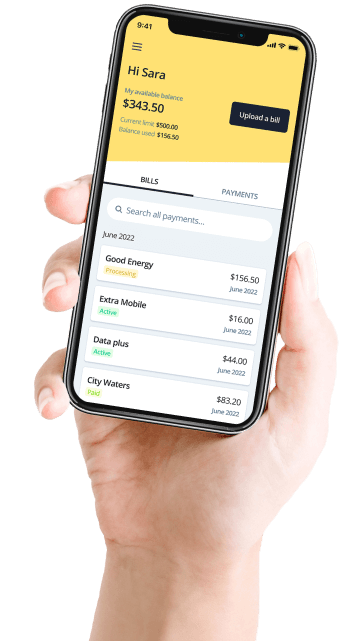
If your bill lands before payday, you can split it into four payments with Deferit. See if you qualify.
↑ TopThe Bottom Line
Your December bill is higher because heating dominates your energy use and everything stacks at once—not because of your Christmas lights.
Keep the lights. Be strategic with space heaters. That’s really it.
↑ TopReferences
- U.S. Energy Information Administration. “Use of energy in homes.” EIA Energy Explained.
- Christmas Lights, Etc. “Christmas Lights Power Consumption.” Christmas Lights Etc.
- EnergySage. “How much electricity do Christmas lights use?.” EnergySage.
- HomeGuide. “How Much Does it Cost to Run a Space Heater? (2025).” HomeGuide.
- Electric Choice. “Electricity Rates by State (December 2025).” Electric Choice.
- Consumer Reports. “Will Using a Space Heater Save You Money?.” Consumer Reports.