
Need winter utility bill help? This guide covers expected heating costs for winter 2025-2026, proven ways to reduce your bills, government assistance programs, and flexible payment options when you can't pay the full amount.
That heating bill just hit and your stomach dropped. You’re not imagining it—winter utility costs can spike 40-60% without warning, and millions of Americans face the same shock every year.
Quick Answer: Average winter heating costs for 2025-2026 are $642 for natural gas, $1,133 for electricity, $1,210 for propane, and $1,390 for heating oil[1]. If you can’t afford the full bill, LIHEAP has $3.6 billion available now[2], and utility companies offer payment plans.
You’re not alone. Millions of Americans face heating bills that jump 40-60% in winter. But here’s what most people don’t know: while some heating costs are rising slightly (electricity up 4%), others are actually decreasing (propane down 9%, heating oil down 8%)[1]. The key is understanding your specific situation and knowing exactly what help is available.
↑ TopWhat Are the Expected Winter Heating Costs for 2025-2026?
Most people underestimate winter heating costs because they budget based on their mild-weather bills. Then December hits and suddenly you’re looking at 2-3x what you paid in September. Here’s what the numbers actually look like[1]:
| Fuel Type | Total Winter Cost | Change from Last Year |
|---|---|---|
| Natural Gas | $642 | -1% |
| Electricity | $1,133 | +4% |
| Propane | $1,210 | -9% |
| Heating Oil | $1,390 | -8% |
And here’s the part that catches people off guard: where you live can nearly double your bill. Someone in the Northeast pays 70% more for the same amount of heat as someone in the South.
| Region | Average Winter Cost |
|---|---|
| Northeast | $868 |
| Midwest | $613 |
| West | $600 |
| South | $514 |
The EIA’s forecast assumes a slightly warmer than normal winter, which explains relatively stable costs for most fuel types. However, electricity users still face a 4% increase. If you heat with electricity, check out our guide on how to save on your electric bill.
Can’t cover the full bill right now? Jump to payment options to see how to split it into smaller payments.
Table of Contents
- Why Do Winter Utility Bills Spike?
- How to Lower Your Winter Heating Bill
- Government Assistance Programs
- Winter Disconnect Protection Laws
- Payment Options When You Can’t Pay the Full Bill
- Take Action Before Winter Bills Arrive
↑ TopWhy Do Winter Utility Bills Spike?
Your heating system runs constantly in winter, but three things determine whether your bill is manageable or devastating: how cold it gets (measured in “heating degree days”), how well your home holds heat (insulation, drafts, air leaks), and your thermostat habits. Poor insulation and air leaks force your system to work overtime[3], while keeping your home at a constant high temperature—especially when you’re away—dramatically increases consumption.
↑ TopHow to Lower Your Winter Heating Bill
The single biggest lever is your thermostat[3]. Set it to 68°F when home, drop it to 58-61°F when away or sleeping, and you’ll cut about 10% off your heating costs—$64+ saved on a typical gas bill. A smart thermostat automates this so you don’t have to think about it.
The second biggest lever is stopping heat from escaping. Seal gaps around windows and doors, add attic insulation (heat rises), and fix drafty outlets on exterior walls. These weatherization steps compound with thermostat savings.
Quick wins: open curtains during sunny days for free heat, keep vents clear, replace furnace filters monthly, and run ceiling fans clockwise to push warm air down.
↑ TopWhat Government Assistance Programs Help with Winter Utility Bills?
If you’re struggling to pay your heating bills, several programs provide help. For a broader overview, see our guide on 6 ways to get help paying bills.
LIHEAP (Low Income Home Energy Assistance Program) is the primary federal program, with $3.6 billion in FY2026 funding released in late November 2025[2]. It offers bill payment assistance (direct payments to your utility), energy crisis assistance (if you’re facing disconnection), and weatherization assistance (home improvements to reduce costs). Eligibility is income-based and varies by state. Apply through your state or local LIHEAP agency.
Weatherization Assistance Program (WAP) helps low-income households improve energy efficiency through insulation, air sealing, and heating system repairs[4]. It’s focused on long-term savings rather than immediate relief, but can significantly reduce future bills.
State and local programs often offer additional assistance. Check with your state energy office, local community action agencies, and your utility company (many have hardship programs). For a comprehensive list, visit USA.gov’s Help with Utility Bills page[4].
↑ TopWhat Are Your Rights? Winter Disconnect Protection Laws
Here’s what many people don’t realize: in most states, utility companies can’t just shut off your heat in the middle of winter—even if you’re behind on payments. But you have to know your rights and act on them.
| State | Protection Details |
|---|---|
| Minnesota | Cold Weather Rule protects customers October 1 - April 30 |
| New York | Protection from November 1 - April 15 for income-eligible customers |
| Illinois | No disconnection when temperature is below 32°F |
| Michigan | Additional protections for senior citizens November - March |
The catch: these protections usually require you to contact your utility company and demonstrate hardship. Don’t wait for a shutoff notice—reach out now if you’re struggling. Search “[Your State] winter utility disconnect protection” to find your specific rules.
↑ TopWhat Payment Options Are Available When You Can’t Pay the Full Bill?
You’ve got more options than you think. Most utility companies offer extended payment plans, deferred payment agreements, and hardship programs—but you have to ask. Budget billing programs can also help by averaging your annual costs into equal monthly payments, eliminating those winter spikes.
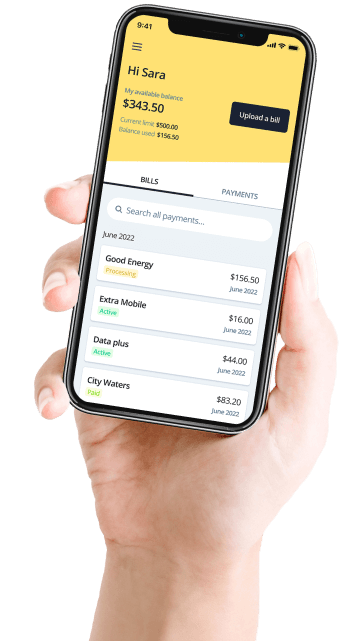
If you need breathing room right now, you can split your utility bill into 4 payments over 8 weeks with Deferit. When your heating bill spikes past $600, you don’t have to pay it all at once—we pay your utility company directly, whether that’s Duke Energy, Georgia Power, or another provider. No interest, no credit check. See if you qualify.
↑ TopNext Steps
Review last year’s winter bills to know what’s coming. If you might qualify for LIHEAP, apply now—FY2026 funding is available. Contact your utility about budget billing before the spike hits. And if that bill lands before payday, you know your options.
↑ TopReferences
- U.S. Energy Information Administration. “Winter Fuels Outlook 2025-2026.” Short-Term Energy Outlook. October 2025.
- U.S. Department of Health and Human Services. “Low Income Home Energy Assistance Program (LIHEAP).” Administration for Children and Families.
- U.S. Department of Energy. “Energy Saver - Tips on Saving Money and Energy at Home."
- USA.gov. “Help with Utility Bills."