
FSA funds, dental maximums, and vision allowances all vanish December 31. Then January hits with higher premiums and reset deductibles. Here's your game plan.
Open your benefits portal right now. See that FSA balance? That dental coverage you’ve barely touched? The vision benefit you forgot about? If you don’t use them by December 31, they’re gone. Then January hits and you’re dealing with higher premiums, reset deductibles, and a whole new year of out-of-pocket costs.
The Reality: About half of FSA holders forfeit money each year—an average of $441 per person[1]. That’s money you earned, set aside for healthcare, and lost because the deadline slipped by.
↑ TopWhat Expires December 31
Here’s why FSA deadlines catch so many people off guard: you contribute money all year, use it sporadically, and then realize in late December you’ve got hundreds of dollars that vanishes in days. The rules are unforgiving:
| Rule Type | Details |
|---|---|
| Standard deadline | December 31 (funds forfeited if unused) |
| Grace period option | Some employers extend until March 15 |
| Carryover option | Some employers allow up to $640 to roll over |
| 2025 contribution limit | $3,300 maximum |
Your employer chooses grace period OR carryover, not both. Check your plan documents now to know which applies.
FSA-eligible expenses include copays, prescriptions, dental work, vision care, OTC medications (no prescription needed since 2020), and supplies like first aid kits and sunscreen. For last-minute spending strategies, see our FSA deadline guide.
Dental and vision work the same way. Most dental plans have an annual maximum ($1,000-$2,000) that resets January 1—if you’ve only used $400 of $1,500 in coverage, that remaining $1,100 disappears. Vision plans typically cover one exam and one pair of glasses per year; unused benefits vanish with the calendar. December is brutal for booking appointments because everyone’s doing this at once.
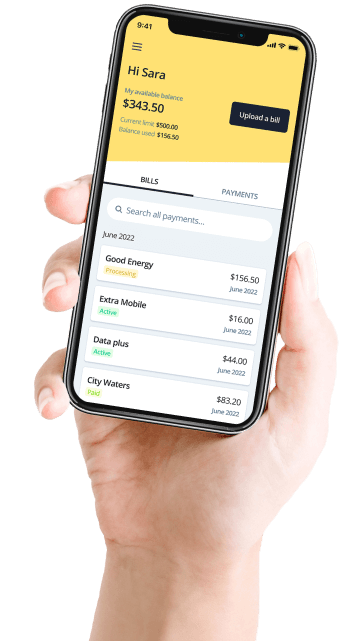
If bills pile up while you’re rushing to use benefits: You can split medical costs into 4 payments over 8 weeks with Deferit. See if you qualify.
Table of Contents
- What Resets January 1
- December Strategy: Use It Before You Lose It
- January Challenge: Managing the Reset
- Year-End Healthcare Checklist
↑ TopWhat Resets January 1: Brace for Impact
That first January paycheck feels smaller for a reason: new premium rates kick in, and they’ve been climbing 6% year over year[3].
| Coverage Type | Annual Premium | Your Contribution |
|---|---|---|
| Family coverage | $26,993 | $6,850/year |
| Single coverage | $8,951 | Varies by employer |
But premiums are just the first hit. On January 1, your deductible resets to zero—that $1,886 (single) or $3,000-5,000+ (family) you already paid this year? You start over. Same with your out-of-pocket maximum. If you’ve met it, you’re currently getting maximum value from your insurance. Come January, you’re back to full exposure.
For strategies to manage January premiums, see our January insurance premium guide.
↑ TopThe December Strategy: Maximize Before Year-End
If you’ve met your deductible: Your insurance is covering the most it will all year. Schedule that imaging test, physical therapy, or specialist consultation you’ve been putting off. After January 1, you’re back to paying full price until you meet the new deductible.
If you have FSA funds remaining: Prioritize scheduled medical care (copays, lab work), dental work, vision care, then stock up on eligible items like contact solution, first aid supplies, and OTC medications. Many retailers verify FSA eligibility at checkout.
If you have unused dental/vision: Book now. December is the busiest month—ask to be added to cancellation lists if nothing’s available.
↑ TopThe January Challenge: Managing the Reset
January hits hard: higher premiums, reset deductibles, post-holiday bills, and medical needs that don’t wait for your budget to recover. Budget for increased Q1 healthcare spending, especially if you have ongoing medical needs.
Timing matters for elective care: schedule in December if you’ve met this year’s deductible, or wait until later in the year if you expect to meet next year’s through other care. But don’t delay necessary care for financial reasons—untreated conditions become more expensive over time.
↑ TopYear-End Healthcare Checklist
Before December 31:
- Check FSA balance and deadline (grace period or carryover?)
- Review dental benefits used vs. available
- Confirm vision benefits status
- Schedule any care while current deductible is met
- Stock up on FSA-eligible items if funds remain
For January:
- Budget for higher premium payments
- Understand new deductible amounts
- Schedule preventive care early in the year
- Set up or maximize HSA contributions (if eligible)
The next few weeks determine whether you maximize what you’ve paid for or watch it disappear. Check your deadlines today.
↑ TopReferences
- Employee Benefit Research Institute. “Vital Statistics on Flexible Spending Accounts, 2022: Forfeitures on the Rise.” EBRI Issue Brief. May 2, 2024.
- CareCredit. “How Much Does an Eye Exam Cost?” Based on ASQ360° research, 2024.
- KFF. “2025 Employer Health Benefits Survey.” Kaiser Family Foundation. October 2025.
- Centers for Medicare & Medicaid Services. “Health Insurance Marketplace 2026 Open Enrollment Data."
- Gallup. “Healthcare Affordability Survey.” Gallup News.